
- “HDMI KVM Extender 60M USB Via Cat6 Rj45 Ethernet Cable Transmitter Receiver (BS-T)” already exists in your wishlist
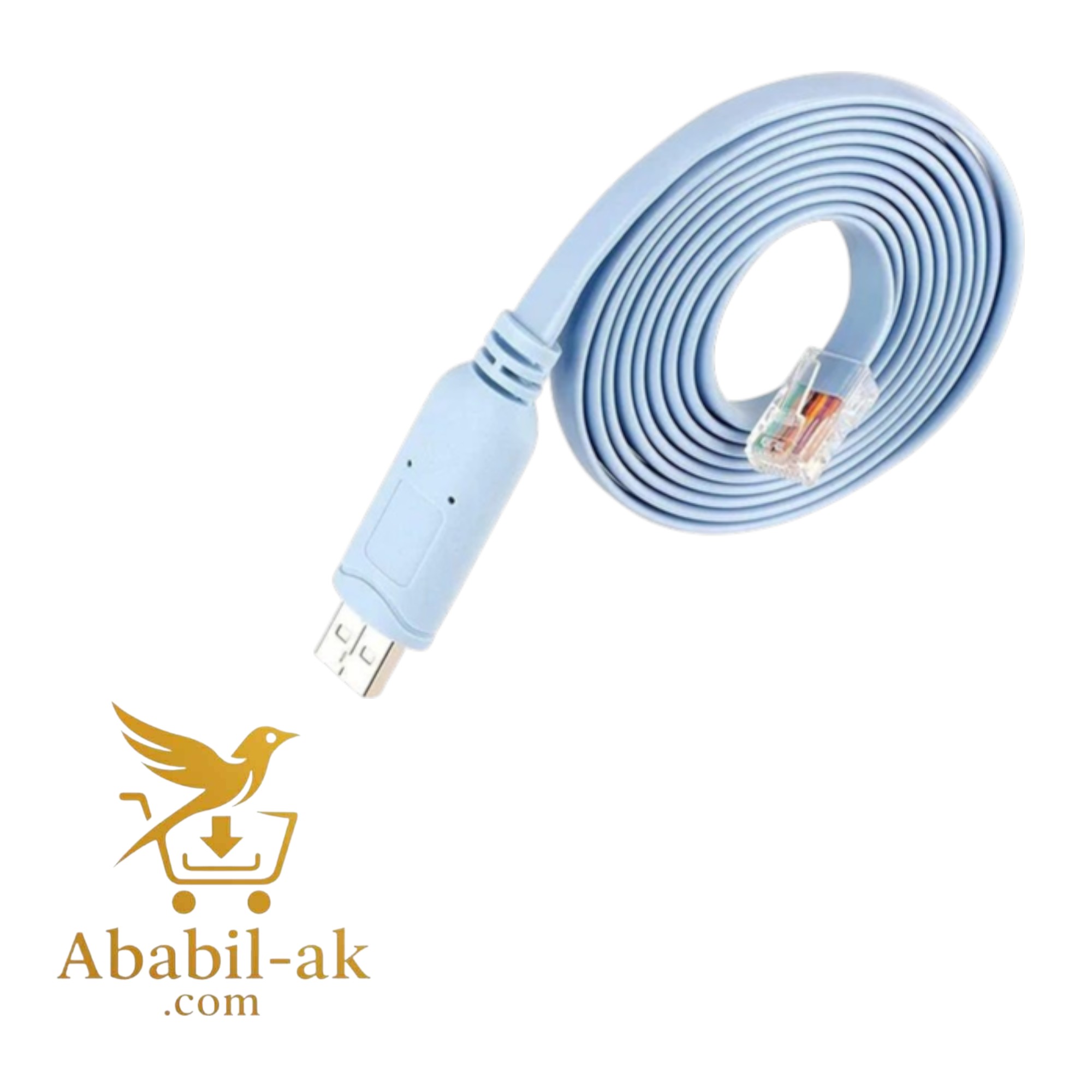
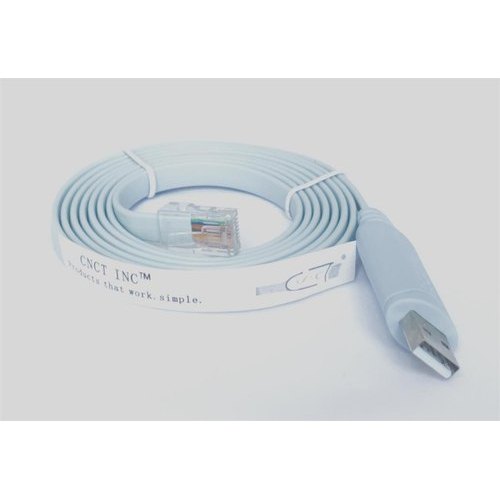
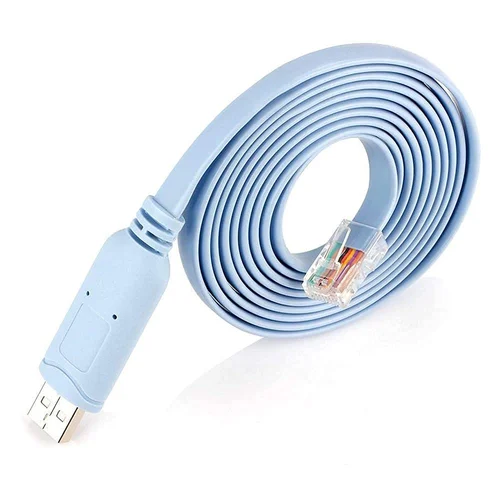
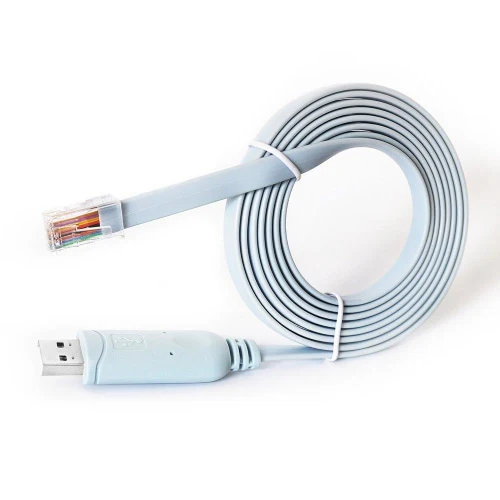
console cable RJ45 connector on one end (for the device) and a DB9 or USB connector on the other (for the computer) (BS-T)
Roll over image to zoom in
450.00৳ 720.00৳ (-38%)
A console cable is a specialized cable used to connect a computer’s serial port to a network device’s console port for configuration purposes. It typically features an RJ45 connector on one end (for the device) and a DB9 or USB connector on the other (for the computer). These cables are essential for initial setup and troubleshooting of networking equipment.
Key Details:
-
Purpose:Console cables facilitate communication between a computer and a network device, enabling configuration and management tasks.
-
Connectors:
- RJ45: Typically used to connect to the device’s console port.
- DB9 or USB: Used to connect to the serial or USB port on the computer.
- RJ45: Typically used to connect to the device’s console port.
-
Functionality:The cable provides a serial connection for transmitting data, not a standard network connection.
-
Types:Console cables can be standard or include adapters for non-standard console port connections.
Common Uses:
- Initial device configuration: Setting up IP addresses, passwords, and other basic settings.
- Troubleshooting: Accessing device logs and diagnostic information.
- Firmware updates: Uploading new firmware to the device.
- Serial terminal access: Interacting with the device’s command-line interface.
Example:
A common scenario involves using a console cable to connect a computer’s serial port to a Cisco router’s console port. The computer can then use a terminal emulator (like PuTTY) to access the router’s command-line interface and configure it.
Additional information
| Weight | 0.15 kg |
|---|


Reviews
There are no reviews yet.